
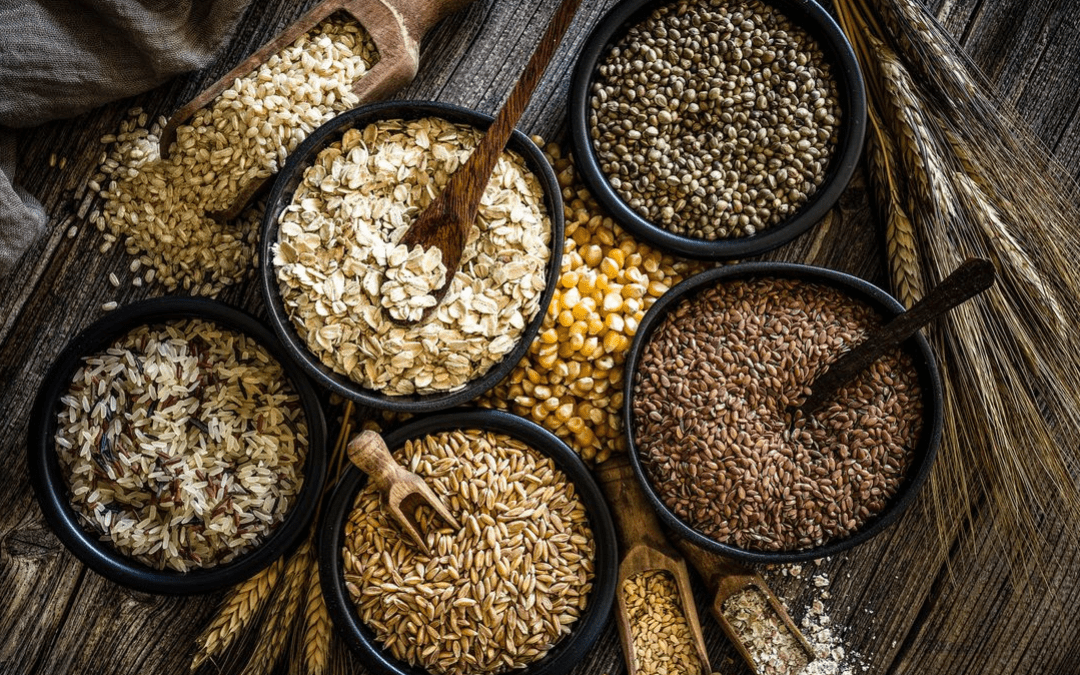
When people talk about eating healthy, “fiber” almost always comes up. But fiber isn’t just one thing—it actually comes in two main types: soluble fiber and insoluble fiber. Both play essential roles in your body, and understanding the difference can help you make smarter food choices.
Let’s break it down.
What Is Dietary Fiber?
Dietary fiber is a type of carbohydrate found in plant-based foods—but unlike other carbs, your body can’t fully digest it. Instead of being broken down into sugar, fiber passes through your digestive system, supporting a range of health benefits.
Fiber is known for helping with digestion, bowel movements, weight management, cholesterol levels, gut microbiome and blood sugar control.
Soluble Fiber: The “Gel-Forming” Fiber
Soluble fiber dissolves in water and forms a gel-like substance in your digestive tract.
What it does:
- Slows down digestion
- Helps stabilize blood sugar levels
- Can lower cholesterol
- Promotes a feeling of fullness
- Improve bowel movements & manage constipation
When soluble fiber forms that gel, it essentially slows how quickly food moves through your system. This can help prevent blood sugar spikes and support heart health.
Common sources:
- Oats and oat bran
- Beans and lentils
- Apples and citrus fruits
- Nuts and seeds
- Psyllium fiber (primarily soluble but has some insoluble fibre – found in Intestinal Action 1)
Insoluble Fiber: The “Bulking” Fiber
Insoluble fiber does not dissolve in water. Instead, it passes through your digestive system mostly intact.
What it does:
- Adds bulk to stool
- Helps food move through the digestive system
- Prevents or relieves constipation
- Supports regular bowel movements
Think of insoluble fiber as a natural “clean-up crew” for your digestive tract—it keeps things moving efficiently.
Common sources:
- Whole grains and wheat bran
- Vegetables like carrots and cauliflower
- Nuts and seeds
- Fruit skins
Why You Need Both
Here’s the important part: there isn’t a “better” type of fiber. Your body needs both.
Most plant-based foods actually contain a mix of soluble and insoluble fiber, which is why experts recommend eating a variety of fruits, vegetables, whole grains, and legumes.
Together, these fibers:
- Support digestive health
- Reduce the risk of heart disease
- Help maintain a healthy weight
- Improve overall gut function
Fiber is one of the most underrated nutrients in your diet. While soluble fiber works behind the scenes to regulate cholesterol and blood sugar, insoluble fiber keeps your digestive system running smoothly.
Instead of focusing on just one type, aim for balance. Fill your plate with whole, plant-based foods, and you’ll naturally get the right mix of both.
Your gut—and your overall health—will thank you.
___________________________________
Soluble fibre can improve constipation and bowel movements, especially the gel-forming types like psyllium husk.
Soluble fibre absorbs water and forms a soft gel in the intestines. This can help by:
- Softening stool
- Increasing stool bulk
- Improving stool frequency
- Reducing straining
- Supporting more complete bowel movements
The best-studied soluble fibre for constipation is psyllium/ispaghula husk. Recent constipation guidelines and reviews support fibre supplements such as psyllium, especially when taken consistently for at least several weeks and increased gradually with enough fluid. (PMC)
Best soluble fibres for constipation:
| Fibre | How it helps |
| Psyllium husk | Best evidence; bulks and softens stool |
| Ground flaxseed | Adds soluble fibre, mucilage, and gentle bowel support |
| Chia seed | Gel-forming; helps stool hydration |
| Oats / oat bran | Gentle daily soluble fibre |
| Apple pectin | Supports stool form and microbiome |
| Partially hydrolyzed guar gum | Gentler option for sensitive guts |
A practical approach is to start low: ½ tsp psyllium in a full glass of water once daily, then increase slowly as tolerated. For many adults, a useful range is about 5–10 g/day, sometimes higher, but it should be built up gradually. Too much too quickly can cause bloating, gas, or discomfort.
Important: soluble fibre needs water. Without enough fluid, it can worsen constipation. It also works best when paired with daily movement, regular meal timing, warm fluids, bitter herbs/digestive support if appropriate, and adequate dietary fat.
For clinical use, I would separate constipation into patterns:
Dry, hard stool: psyllium, chia, flax, marshmallow/slippery elm-type demulcents, more fluids and oils.
Sluggish bowel/motility issue: fibre may help, but bitters, cholagogues, magnesium, movement, and meal rhythm may be needed.
IBS-C/bloating-prone: start with very low-dose psyllium or PHGG; avoid suddenly adding large amounts of fermentable fibre.
Obstructive symptoms/incomplete evacuation: fibre alone may not solve it.
Avoid or use caution with fibre if there is bowel obstruction, severe abdominal pain, vomiting, unexplained bleeding, sudden bowel habit change, or difficulty swallowing.
Insoluble fibre is important because it gives the bowel “bulk and movement.” It does not dissolve into a gel the way soluble fibre does. Instead, it acts more like roughage: it helps add volume to stool, stretches the intestinal wall gently, and can stimulate peristalsis — the wave-like movement that moves stool through the colon.
Main difference
| Feature | Soluble fibre | Insoluble fibre |
| What it does in water | Dissolves or swells into a gel | Does not dissolve; remains more intact |
| Main bowel effect | Softens and moistens stool | Adds bulk and speeds transit |
| Best for | Dry/hard stool, cholesterol, blood sugar, microbiome support | Sluggish bowels, low stool volume, slow transit |
| Texture | Gel-forming, mucilage-like | Coarser “roughage” |
| Fermentation | Often more fermentable by gut bacteria | Usually less fermentable, though some is partially fermented |
| Common sources | Psyllium, oats, chia, flax, apples, beans, pectin, guar gum | Wheat bran, vegetable skins, whole grains, seeds, leafy stems, celery, nuts |
Why insoluble fibre matters
Insoluble fibre helps with constipation in a different way than soluble fibre. Instead of mainly holding water as a gel, it helps increase stool mass. More stool volume can trigger the colon’s natural movement reflexes.
It is especially useful when a person has:
- Small, low-volume stools
- Sluggish bowel movements
- A low-fibre diet
- Slow transit constipation
- Poor intake of whole grains, vegetables, nuts, and seeds
In simple terms:
Soluble fibre = softens and hydrates stool.
Insoluble fibre = bulks and moves stool.
Examples of insoluble fibre foods
Good sources include:
- Wheat bran
- Ground flaxseed hulls
- Whole grains
- Brown rice
- Quinoa
- Vegetable skins
- Carrot, celery, cabbage, leafy greens
- Nuts and seeds
- Legume skins
- Fruit peels, such as apple or pear skin (we also have apple peels in Intestinal Action 1 making the product high in both insoluble and soluble fibre)
Clinical nuance
For constipation, many people need both types.
A dry, hard stool pattern often benefits more from soluble gel-forming fibre, such as psyllium, chia, or flax, plus fluids.
A sluggish, low-volume stool pattern often benefits from adding more insoluble plant roughage, such as vegetables, bran, seeds, and whole grains.
But insoluble fibre can aggravate some people if their gut is inflamed, very bloated, or sensitive. In IBS-C, SIBO-type bloating, diverticular irritation, or post-antibiotic gut sensitivity, too much coarse insoluble fibre too quickly can increase gas, cramping, or discomfort. In those cases, start with gentler soluble fibres first, then slowly add cooked vegetables and finely ground seeds.
A practical gut-friendly approach is:
Start with soluble fibre to soften → then add insoluble fibre to move.