
Blog

The Traveler’s Gut Survival Guide
Travel can throw your entire digestive system off balance — from dehydration and disrupted sleep to long flights and unfamiliar food. That’s why naturopath and clinical herbalist Anna Martello created The Traveler’s Gut Survival Guide: a simple, practical checklist to help you stay regular, energized, and supported while on the road. Inside, you’ll find easy pre-travel habits, daily digestive support tips, and Anna’s go-to naturopathic travel essentials.
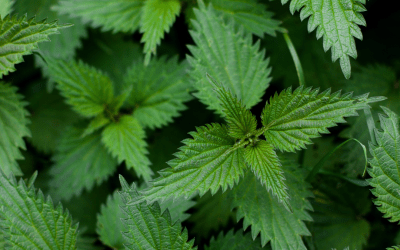
Stinging Nettle: The Underrated Super-Herb Your Wellness Routine Needs
If you’re looking for a simple, natural way to upgrade your wellness routine, stinging nettle might just be your new go-to. Despite its prickly reputation, this nutrient-dense herb has been used for centuries in herbal medicine—and for good reason. Once dried or cooked, it transforms into a powerful ally for whole-body health.
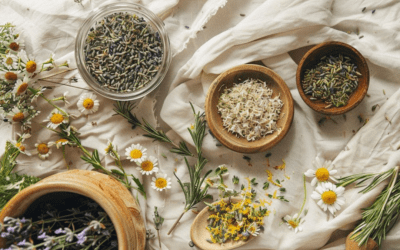
What People Don’t Realize About Herbal Sourcing (and Why Quality Herbs Matter)
When it comes to herbal wellness, most people focus on what herb they’re taking—but far fewer consider where it comes from. The truth is, sourcing is everything. Two products labeled “stinging nettle” can have completely different effects depending on how and where the plant was grown, harvested, and processed.
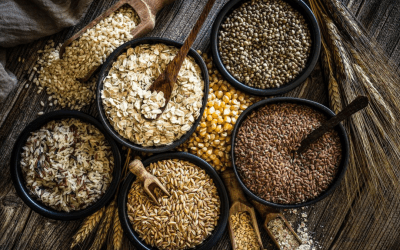
Types of Fiber: Soluble and Insoluble Fiber
When people talk about eating healthy, “fiber” almost always comes up. But fiber isn’t just one thing—it actually comes in two main types: soluble fiber and insoluble fiber. Both play essential roles in your body, and understanding the difference can help you make smarter food choices.
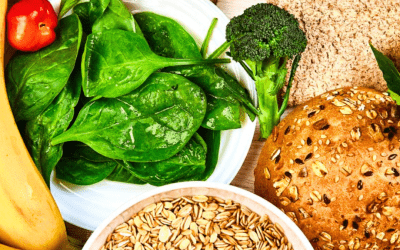
Foods Naturally High in Fluoride
When people think about fluoride, they usually think of toothpaste or drinking water. But fluoride also exists naturally in certain foods. While fluoride isn’t a nutrient you need in large quantities, getting small, consistent amounts through your diet can complement good oral hygiene and overall health.
Fluorine (Fluoride): The “Decay-Resistant” Element
When discussing essential minerals for human health, nutrients like calcium, magnesium, and iron usually take the spotlight. Yet fluorine—primarily present in the body as fluoride—quietly plays a powerful and complex role behind the scenes.
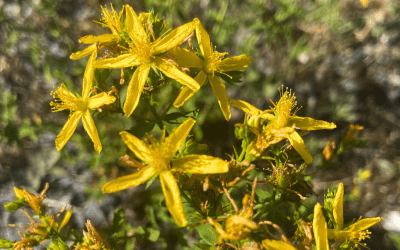
St. John’s Wort: The Sunshine Herb for Emotional Balance & Whole-Body Wellness
St. John’s wort (Hypericum perforatum) is best known as a nervous-system and mood-support herb. Its main benefits are in mild to moderate low mood, nervous tension, and mood-related sleep disturbance — but it has major herb–drug interaction concerns, so it needs to be used carefully.
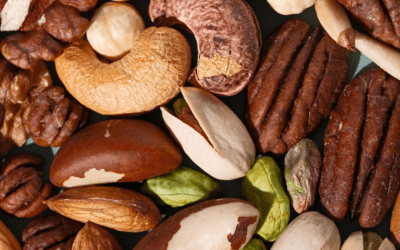
Fueling Your Body’s Natural Antioxidant Defense: The Power of MnSOD
When it comes to protecting your body from daily stress and cellular damage, your system has a powerful built-in defense: manganese superoxide dismutase (MnSOD), also known as SOD2. This antioxidant enzyme works deep within your mitochondria—the energy centers of your cells—neutralizing harmful free radicals before they can cause damage.
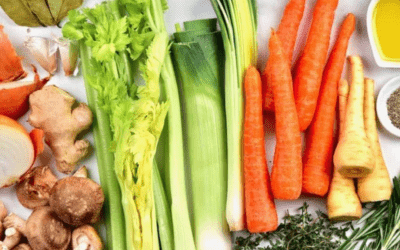
Chloride-Rich Foods: Nature’s Internal Cleansers
Let’s explore where to find chloride in nature and how these foods can support overall balance in the body.
Understanding Excess Chloride (Hyperchloremia): Signs, Symptoms, and What It Means for Your Body
While chloride is vital, too much can disrupt the body’s internal environment. This condition is known as hyperchloremia, or elevated chloride levels in the blood.