
When people think about fluoride, they usually think of toothpaste or drinking water. But fluoride also exists naturally in certain foods.
While fluoride isn’t a nutrient you need in large quantities, getting small, consistent amounts through your diet can complement good oral hygiene and overall health.
Let’s take a look at some of the best natural food sources of fluoride that are also nutritious.
1. Tea (Green & Black)
Tea is one of the richest natural sources of fluoride.
The tea plant absorbs fluoride from the soil, which means brewed tea—especially black and green varieties—can provide a meaningful amount. Beyond fluoride, tea is packed with antioxidants that support heart health and reduce inflammation.
Bonus: Drinking unsweetened tea can be a tooth-friendly habit compared to sugary beverages.
2. Fish (Especially with Bones)
Certain fish, particularly those eaten with their bones, are excellent sources of fluoride.
Examples include:
- Sardines
- Canned salmon
These foods are also rich in calcium, vitamin D, and omega-3 fatty acids—making them powerful for both bone and heart health.
3. Shellfish
Shrimp, crab, and other shellfish can contain moderate levels of fluoride, depending on where they’re sourced.
They’re also high in:
- Protein
- Zinc
- Vitamin B12
This makes them a great addition to a balanced, nutrient-dense diet.
4. Grapes & Raisins
Grapes—especially when grown in areas with naturally fluoridated soil or water—can contain small amounts of fluoride. Raisins, being concentrated, may contain slightly more.
They also offer antioxidants and natural sweetness, making them a healthier alternative to processed snacks.
5. Potatoes
Potatoes, particularly when cooked with the skin, can provide trace amounts of fluoride.
They’re also a great source of:
- Potassium
- Vitamin C
- Fiber (when the skin is included)
Simple, affordable, and versatile, potatoes are a solid staple food.
6. Goat’s Milk (and Dairy Products)
Dairy products are best known for calcium, but some—like goat’s milk—may also contain trace amounts of fluoride depending on the animal’s diet and environment.
Dairy supports:
- Bone strength
- Tooth structure
- Muscle function
This makes it a foundational part of many healthy diets.
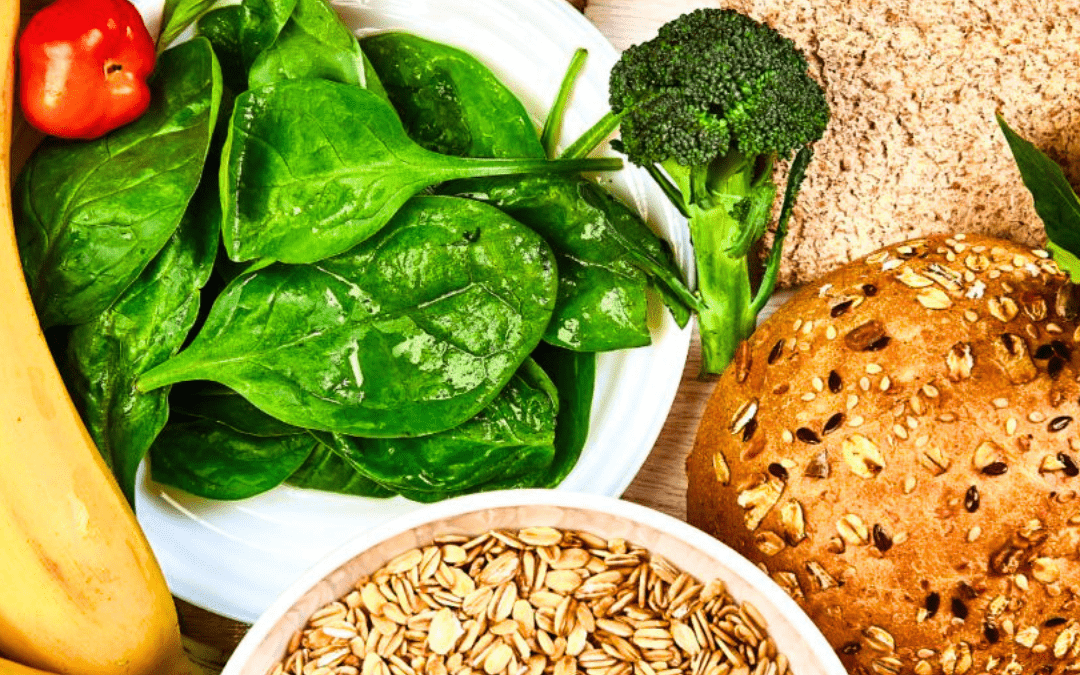
7. Spinach and Leafy Greens
Leafy greens like spinach can contain small amounts of fluoride from soil and water exposure.
They’re also loaded with:
- Iron
- Magnesium
- Antioxidants
A great reason to keep them in your regular rotation.
You don’t need to rely solely on water or dental products to get fluoride. A variety of whole foods—like tea, fish, potatoes, and leafy greens—can naturally contribute small amounts while also delivering essential nutrients for overall health.
As with most things in nutrition, balance is key. Pair a nutrient-rich diet with good oral hygiene, and you’ll be supporting your teeth and body from the inside out.
Learn more about Fluoride!