
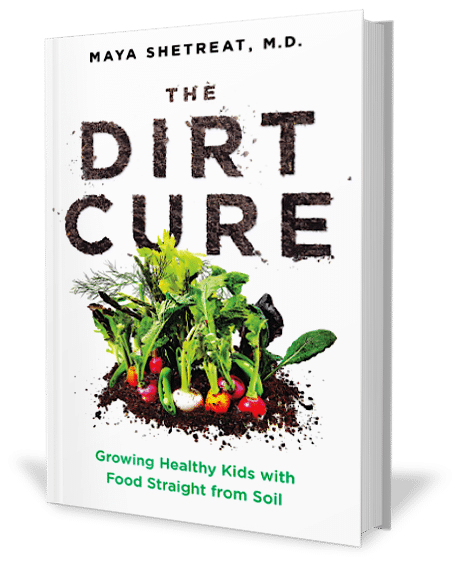
Lessons from The Dirt Cure by Dr. Maya Shetreat-Klein
In an increasingly sanitized and indoor-focused world, many children spend far less time outside than previous generations. Yet growing research—and insights from Dr. Maya Shetreat-Klein’s book The Dirt Cure: Growing Healthy Kids with Food Straight from Soil—suggest that outdoor play is not just beneficial for fun and development; it is also essential for building strong immune systems.
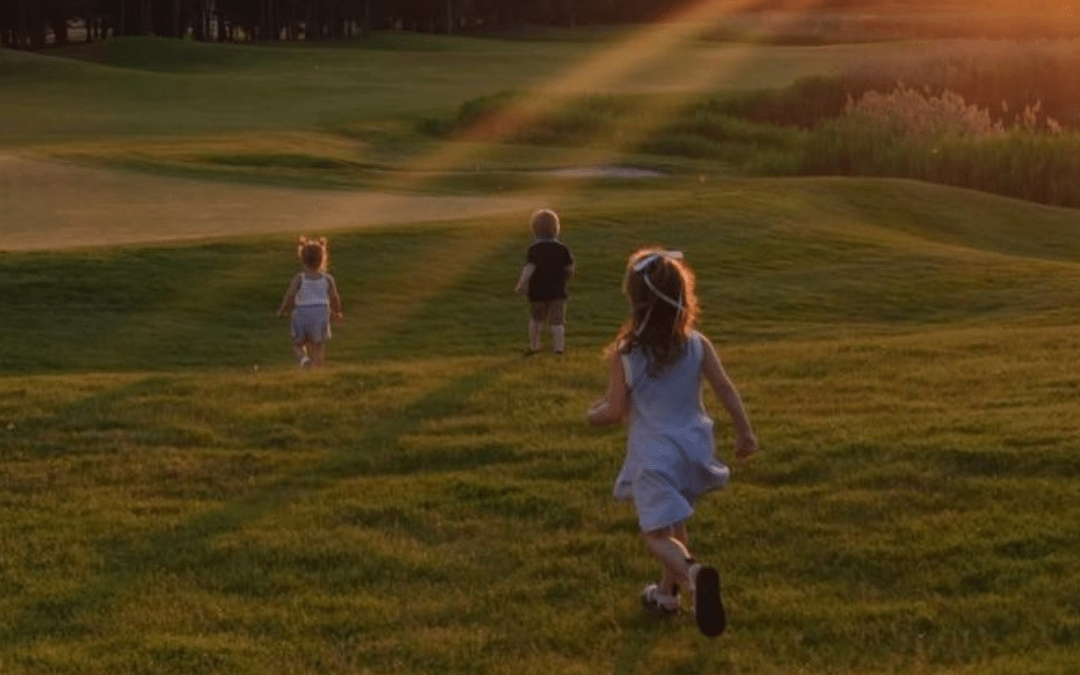
Letting kids run through grass, dig in soil, pick up snails & caterpillars, and explore nature actually help their bodies learn how to stay healthy & co-exist in their environment.
Children Need Microbes to Build Strong Immunity
Children are not born with fully developed immune systems. Instead, their immune defenses mature through interactions with the environment. Exposure to diverse microbes—especially those found in soil, plants, and natural outdoor settings—helps train the immune system to recognize what is harmful and what is harmless.
This concept is often linked to the “hygiene hypothesis,” which proposes that overly sterile environments and reduced exposure to microbes during childhood may increase the risk of allergies and autoimmune conditions.
When children play outside, they encounter beneficial bacteria in dirt, mud, plants, insects and even the air. These microbes interact with the body’s microbiome—the community of microorganisms living in and on our bodies—and help regulate immune responses.
In simple terms: a little dirt is good for you.
What The Dirt Cure Says About Nature and Health
In The Dirt Cure, pediatric neurologist Dr. Maya Shetreat-Klein explores how modern lifestyles have disconnected children from the natural world—and how this separation can negatively affect their health.
Her approach emphasizes reconnecting children with the natural environment through fresh foods, soil, and outdoor experiences. She argues that contact with nature helps restore healthy gut microbiomes and supports stronger immune and neurological development.
Dr. Shetreat-Klein highlights how environmental microbes—especially those found in soil—play a key role in shaping children’s immune systems and overall wellbeing. By interacting with the natural world, children develop a more balanced relationship with microorganisms that their bodies evolved alongside.
Scientific Evidence Supports Outdoor Play
Modern research increasingly supports the connection between nature exposure and immune health.
For example:
- Studies show that children exposed to natural environments and soil microbes develop more diverse microbiomes, which are linked to stronger immune regulation.
- In a Finnish daycare experiment, introducing forest soil and plants into playgrounds led to measurable improvements in children’s immune markers and beneficial bacteria within just a few weeks.
- Regular exposure to environmental microbes during childhood may help reduce the risk of allergies and asthma later in life.
These findings reinforce the idea that children benefit from interacting with natural ecosystems rather than being isolated from them.
Outdoor Play Offers Additional Health Benefits
Beyond immune support, playing outside contributes to many aspects of a child’s health:
1. Vitamin D production
Sunlight exposure helps the body produce vitamin D, which supports immune function and bone health.
2. Physical activity
Running, climbing, and exploring outdoors encourages movement and cardiovascular health.
3. Stress reduction
Time in nature has been shown to lower stress levels and improve mood.
4. Better sleep and mental wellbeing
Outdoor play can help regulate sleep patterns and support cognitive development.
These combined benefits make nature one of the most powerful and accessible tools for supporting children’s health.
Finding Balance: Dirt Is Good, Hygiene Still Matters
Encouraging outdoor play does not mean ignoring basic hygiene. Experts emphasize that children should still wash their hands after playing outside and avoid contaminated areas.
The goal is balanced exposure—allowing children to experience natural environments while maintaining common-sense safety practices. Many from older generations (30+ years ago) grew up playing in the dirt daily and developed resilience from it—there’s a lot we can still learn from that. Rather than over-sanitizing, it’s often better to stick with simple habits like washing hands with regular soap and warm water. This helps maintain the skin’s healthy bacteria instead of stripping it away with harsh antibacterial chemicals. Choosing a natural soap bar, such as those with essential oils commonly found in natural food stores, can be a gentle and effective option.
Let Kids Be Kids (and Get a Little Dirty)
Modern parenting often focuses on cleanliness, safety, and structured activities. While these are important, The Dirt Cure reminds us that children also need unstructured time in nature.
Climbing trees, digging in soil, building forts, and playing in mud puddles may seem messy—but these experiences help children develop stronger immune systems and healthier bodies.
Sometimes, the best medicine for kids is simply letting them go outside, explore the world, and come home a little dirty.
Nature isn’t just a playground—it’s a powerful ally in raising healthy children. And sometimes, a little dirt is exactly what the doctor ordered.