
Why Hygēa Teaches Minerals Through Food, Herbs, and the Wisdom of Whole-Body Nourishment
For years, wellness culture has pushed the idea that the path to feeling better is found in bottles — supplements for energy, supplements for stress, supplements for skin, sleep, immunity, digestion, hormones, and everything in between.
But here’s the truth most people never hear:
Your body isn’t craving more supplements.
It’s craving minerals from real food and support from whole plants.
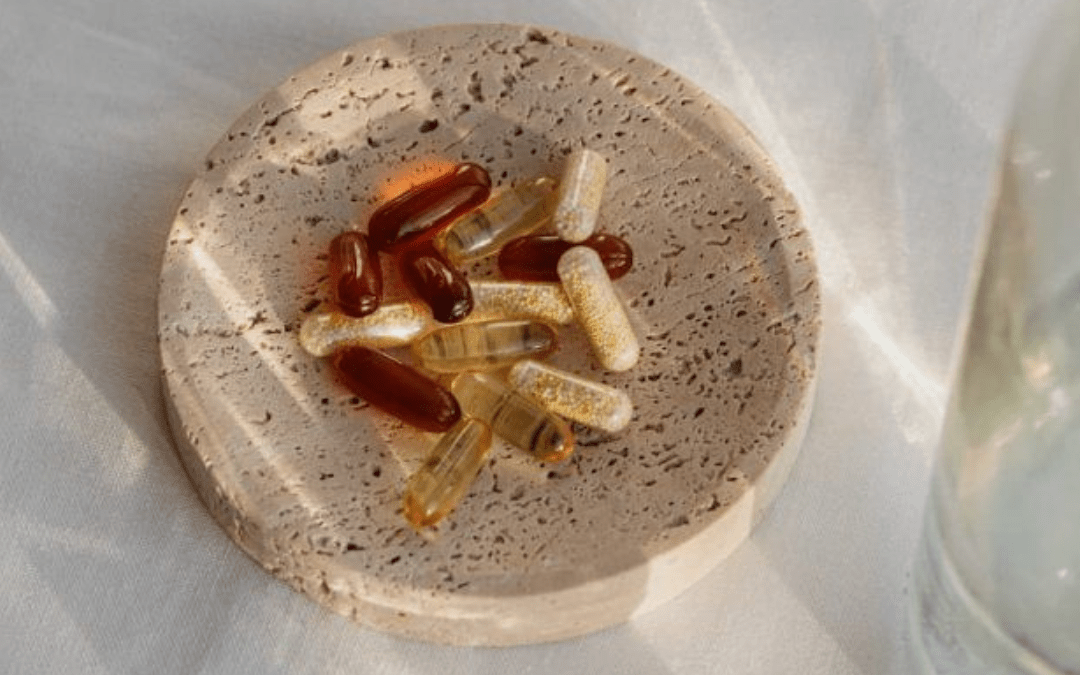
At Hygēa, we believe deeply in shifting from a supplement-heavy mindset to a food-and-herb-based approach to nourishment. Not because supplements are “bad,” but because they are incomplete. The body was designed to recognize nutrients in their whole-food form — complex, synergistic, bioavailable — not isolated powders or capsules that often skip the most important piece: nutrition, absorption and mineral utilization by our cells.
Let’s break down why minerals matter, why food is foundational, and why Hygēa promotes whole-plant nourishment over a cabinet full of synthetics and isolated components.
Why Minerals Are the Hidden Foundation of Your Health
Minerals are the spark plugs of the body. They conduct electricity, regulate hormones, support immunity, power digestion, and keep the nervous system balanced. Most importantly minerals feed your cellular DNA.
Yet most people are depleted — not because they aren’t “taking enough supplements,” but because:
- Modern soil contains fewer minerals
- Stress burns through nutrient reserves
- Highly processed foods displace mineral-rich ones
- Digestive function is often compromised
- The modern North American diet is “dead” food — overheated, over-sugared, over-processed, full of chemicals, and deeply depleted of minerals
The solution isn’t to add more pills.
The solution is to nourish at the root.
Minerals from whole foods contain cofactors — enzymes, phytonutrients, natural ratios — that work in synergy in just the right quantities for your tissues and allow the body to absorb and utilize them properly. Synthetic isolates simply cannot replicate this intelligence.
Why Food Is Always Your First Medicine
Whole foods provide minerals in the exact form the body evolved to recognize:
- Iron from leafy greens paired with natural vitamin C
- Magnesium in seeds, legumes, and whole grains
- Calcium in dark leafy greens, sesame, and herbs
- Potassium in fruits, vegetables, broths, and roots
- Zinc in pumpkin seeds, nuts, and mineral-rich soil foods
These foods don’t just “contain” nutrients — they deliver them in a living, bioactive form that communicates with your cells. Food heals because food mirrors nature’s patterns.
Why Herbs Offer What Supplements Cannot
Herbs are often called “mineralizers” for a reason. Plants like:
- Nettle
- Oatstraw
- Alfalfa
- Raspberry leaf
- Dandelion
- Seaweeds
- Burdock
…are rich in bioavailable minerals that are delivered gently and steadily.
Unlike supplements, herbs:
- Support digestion instead of bypassing or congesting it
- Heal the systems responsible for nutrient absorption
- Work synergistically instead of isolating one compound
- Offer both nourishment and therapeutic action
Herbs don’t force the body — they support it.
Why Hygea Promotes Food and Herbs Over Supplements
Because the human body is not meant to run on isolated, lab-made inputs.
It’s meant to be nourished.
At Hygea, we teach:
1. Food comes first.
This is the foundation of mineral balance. We help you understand what your body needs, where those minerals come from, and how to build nutrient-dense, seasonally aligned meals.
2. Herbs act as nature’s mineral support system.
They gently restore deficiencies, enhance digestion, and strengthen the body’s ability to utilize nutrients.
3. Supplements should be the exception, not the default.
Most people don’t need 10 supplements — they need consistent nourishment and the right plant allies. Synthetic supplements stimulate tissues, but only minerals in living food feed cells.
Why Most Supplements Don’t Work the Way You Think They Do
(Inserted Section)
It’s essential to understand that supplements do not nourish the body the same way food and herbs do. Whole foods and plants feed cells; most supplements simply stimulate or irritate tissues — and seldom become a bioavailable part of the human cell.
This is why, when you stop taking a supplement, you often end up right back where you started: still deficient. The isolated nutrient never actually became part of your cellular mineral stores.
Here’s why most supplements fall short:
a) Isolated nutrients don’t reach cells in the intended form.
Taking “magnesium” or “vitamin C” doesn’t mean your cells absorb that specific nutrient. The liver — your internal laboratory — breaks these components apart and rebuilds whatever it believes the body needs. You’re not absorbing the supplement directly; you’re absorbing what the liver reconstructs.
b) Supplements lack the synergy needed for real absorption.
Food and herbs deliver minerals with enzymes, proteins, cofactors, fibers, and phytonutrients that the body requires for proper uptake. Supplements do not. Without synergy, absorption drops dramatically.
Not All Supplements Are the Same — Here’s What You Should Be Asking
When people hear the word “supplement,” they imagine one category. But supplements vary widely in quality and origin. Hygea teaches people to ask three essential questions:
1. Is it synthetic?
This is the worst category. Synthetic nutrients are not found in nature.
A common example is calcium carbonate:
In broccoli, it’s a mineral your body recognizes as food.
In chalk, it’s a laboratory-made version that irritates tissues.
They may share a molecular structure on paper, but they do not behave the same in the body. One nourishes cells; the other becomes an irritant that the liver, kidneys, blood, and lymph must work to process.
2. Is it an isolated component?
To create a single-nutrient supplement like magnesium-only or vitamin-only formulas, manufacturers must manipulate, extract, or recreate nutrients in laboratories.
Ask yourself:
“Does this exist in nature as-is?”
For example:
- Goat’s whey powder is a whole-food supplement — simply dehydrated goat’s milk containing natural ratios of magnesium, sodium, calcium, and other minerals.
- Antioxidant powders or capsules are isolated extracts. But since berries themselves are rich in antioxidants, you’re better off eating fruit than taking a pill.
Once you turn food into an isolated ingredient, you leave nature and enter the world of “band-aid” supplements.
3. Has the supplement remained a whole food, or has it been altered?
Many supplements include additives, fillers, and preservatives. Even herbal formulas can be diluted.
At Hygēa, we intentionally avoid fillers, additives, and unnecessary processing. Every component in a formula serves a purpose — nothing else.
The Future of Wellness Is Returning to the Roots
You don’t need to chase new supplements every season.
You need to reconnect with the wisdom your body already holds — the wisdom to digest, absorb, repair, and thrive when given the right inputs.
At Hygēa, we help you learn the minerals, understand the plants, and reclaim nourishment through nature — not through another bottle.
If you’re ready to shift away from supplement overwhelm and into grounded, mineral-rich living, you’re in the right place.