
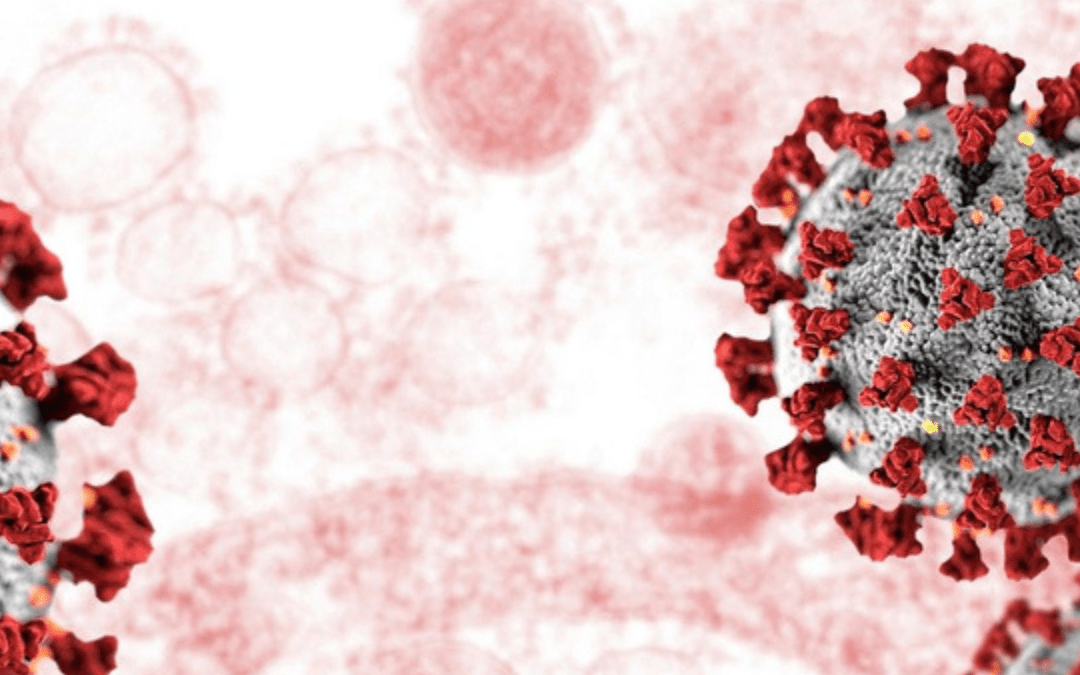
When most people hear the word bacteria, they think of infection, illness, and germs that need to be eliminated.
For decades, public health messaging has emphasized eliminating microbes—through disinfectants, hand sanitizers, antibiotics, and antibacterial products. Although these tools have been widely promoted as essential, they can also have harmful effects, and this simplified narrative overlooks an important truth:
Most bacteria are not harmful. In fact, many are essential for our survival.
Your body is home to trillions of microorganisms—including bacteria, fungi, and viruses—collectively known as the human microbiome. These microbes live on your skin, in your mouth, and especially in your digestive tract. Far from being dangerous invaders, many of them play crucial roles in digestion, immune function, and overall health.
Understanding this relationship changes how we think about health. Instead of trying to eliminate microbes, the real goal becomes supporting balance within the body’s ecosystem.
What Are Bacteria?
Bacteria are microscopic, single-celled organisms found almost everywhere on Earth—soil, water, food, and inside living organisms. While some species can cause disease, the vast majority are harmless or beneficial.
Inside the human body, bacteria perform many important functions:
- Helping break down food and absorb nutrients
- Producing certain vitamins
- Supporting immune system development
- Protecting against harmful microbes by competing for space and resources
- The gut microbiota can both upregulate and downregulate our genes. The gut microbiome is metabolically active and participates in processes such as DNA and RNA methylation, meaning it helps regulate gene expression. In this sense, the human body serves as the host organism, while the microbiome interacts closely with our genetic activity.
This idea is closely tied to the field of epigenetics, which has gained significant attention in recent years. Our microbiome can effectively switch certain genes on or off. Because gene expression influences how our bodies function, these regulatory actions can have profound consequences—sometimes protective, sometimes harmful.
This raises an important question: which genes do certain bacteria activate or suppress, and why? Why might some inflammatory pathways be triggered while others are quieted? Our microbiota are constantly influencing these processes.
At its core, this activity reflects a fundamental biological principle: survival. Like all living systems—plants, animals, humans, viruses, bacteria, and fungi—microorganisms act in ways that support their continued existence. Their responses may involve trade-offs that can benefit or harm the host, but the underlying drive is the same across nature: to adapt, persist, and maintain life.
Without these microbial partners, many essential processes in the body would not function properly.
In fact, scientists increasingly view the microbiome almost like an additional organ system—one that interacts with nearly every aspect of health.
The Human Microbiome: Your Invisible Ecosystem
Your body contains trillions of microbes and hundreds of bacterial species, most of which live peacefully with you throughout your life.
These microbes help maintain balance in several ways:
Supporting digestion
Many plant fibers and complex carbohydrates cannot be broken down by human enzymes alone. Gut bacteria help digest these compounds and convert them into nutrients the body can use.
Training the immune system
Beneficial bacteria help teach the immune system the difference between harmful pathogens and harmless substances. This prevents unnecessary inflammation and immune overreaction.
Protecting against harmful microbes
Healthy bacteria occupy space in the gut, in the mouth, on the skin and in the vagina, making it harder for disease-causing organisms to take hold.
Supporting metabolism and inflammation balance
Emerging research shows the microbiome can influence metabolism, mood, and even aspects of brain health through the gut-brain connection.
Insuline Sensitivity
Estrogen Metabolism
Because of these roles, maintaining microbial balance is critical for overall health.
When Balance Is Disrupted
Although many bacteria are beneficial, problems can arise when the balance of the microbiome is disturbed.
This imbalance—often called dysbiosis—may occur due to factors such as:
- Excessive antibiotic use
- Highly processed diets/sugar
- Chronic stress
- Environmental toxins
- Lack of dietary fiber
- Poor sleep and lifestyle habits
When beneficial microbes are reduced, harmful organisms can multiply more easily, potentially contributing to digestive issues, inflammation, or weakened immunity.
For this reason, modern research increasingly emphasizes restoring microbial balance, rather than simply eliminating bacteria.
Looking Beyond “Germs”: A More Complete View of Health
Modern medicine is reliant on the germ theory, the discovery that specific microbes can cause specific diseases.
This insight led to major advances in sanitation, and hygienic practices such as handwashing.
However, the simplified message that “germs cause disease” doesn’t tell the whole story. In real life, illness usually depends on several interacting factors:
- the microbe itself
- the strength of the host
- the internal and external environment, and lifestyle conditions
Two people can be exposed to the same microbe and have completely different outcomes. One might develop severe symptoms while another remains unaffected.
This broader perspective has long been recognized in traditional healing systems.
The Holistic View: Supporting the Body’s “Terrain”
In herbal medicine, naturopathy, Traditional Chinese Medicine (TCM), and Ayurveda, health is often understood through the concept of the body’s internal terrain.
Rather than focusing only on the invading organism, these traditions also consider the internal environment of the body—the factors that influence whether illness can take hold.
Different traditions describe this idea in their own language:
Naturopathic and functional medicine emphasize immune resilience, detoxification pathways, microbiome health, and metabolic balance.
Traditional Chinese Medicine (TCM) describes illness as occurring when external pathogenic factors—such as wind, cold, damp, or heat—enter the body when its protective energy (Wei Qi) is weakened.
Ayurveda views disease as arising when digestive strength (Agni) weakens, metabolic waste (Ama) accumulates, and the body’s constitutional forces (doshas) become imbalanced.
Although the terminology differs, these systems share the same insight:
Health is shaped not only by the microbes we encounter, but more importantly by the strength and balance of the beneficial microbes within us and the internal environment—often called the body’s “terrain”—in which they live. This terrain includes the health of our blood, lymph, intracellular and extracellular fluids, and tissues. The condition of this internal environment plays a major role in determining which microbes are able to thrive and populate the body.
Why the Same Germ Affects People Differently
Anyone who has watched an illness spread through a family or workplace has seen this phenomenon.
Some people become severely ill.
Others experience mild symptoms.
Some don’t get sick at all.
Holistic systems expect this variation and look for underlying factors such as:
- digestive health and nutrient absorption
- immune resilience
- stress and sleep quality
- microbiome diversity
- inflammatory balance
- constitutional differences
Supporting these foundations can help the body respond more effectively when challenges arise.
Humans and Microbes: A Shared Evolution
Humans did not evolve in sterile environments. For millions of years, we have lived alongside microbes in soil, food, animals, and natural ecosystems.
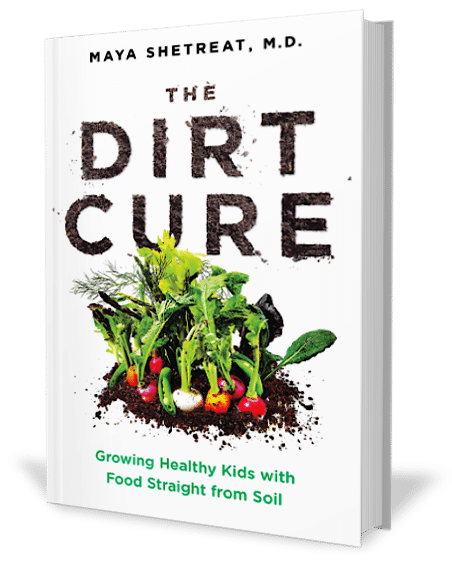
I would recommend the book The Dirt Cureby Dr. Maya Shetreat-Klein
Some scientists suggest that reduced microbial exposure in modern environments may influence immune development—a concept sometimes called the hygiene hypothesis.
This idea does not mean hygiene is unimportant. Clean water, sanitation, and safe food remain essential for preventing disease.
But it does suggest that healthy microbial exposure and diversity may play a role in immune health
Supporting a Healthy Microbial Balance
Maintaining a healthy microbiome doesn’t require eliminating bacteria. Instead, it involves supporting the conditions that allow beneficial microbes to thrive.
Helpful habits may include:
- eating fiber-rich whole foods
- consuming fermented foods that contain beneficial microbes
- reducing unnecessary antibiotic use
- spending time in nature
- managing stress and sleep
- supporting digestive health
- reducing or avoiding exposure to pollutants, chemicals, and toxins in our water and everyday products—such as hygiene items, soaps, and shampoos—is also important. Environmental toxins, including pesticides, herbicides, chemicals, and heavy metals, can place a significant burden on the body. They may disrupt and damage the microbiome both inside and on our bodies, which in turn can weaken and strain the immune system.
Herbal traditions have long emphasized many of these principles, focusing on strengthening the body’s natural defenses rather than simply suppressing symptoms.
Bacteria are often portrayed as enemies—but the truth is far more interesting.
Humans and microbes exist in a complex partnership that shapes digestion, immunity, and overall health.
Some bacteria can cause disease, but many are essential allies that help keep the body functioning properly.
The goal, therefore, is not to eliminate microbes but to maintain balance within the body’s ecosystem.
By supporting both microbial diversity and the body’s internal resilience, we move closer to a more complete understanding of health—one that integrates modern microbiology with the wisdom of traditional herbal medicine.