
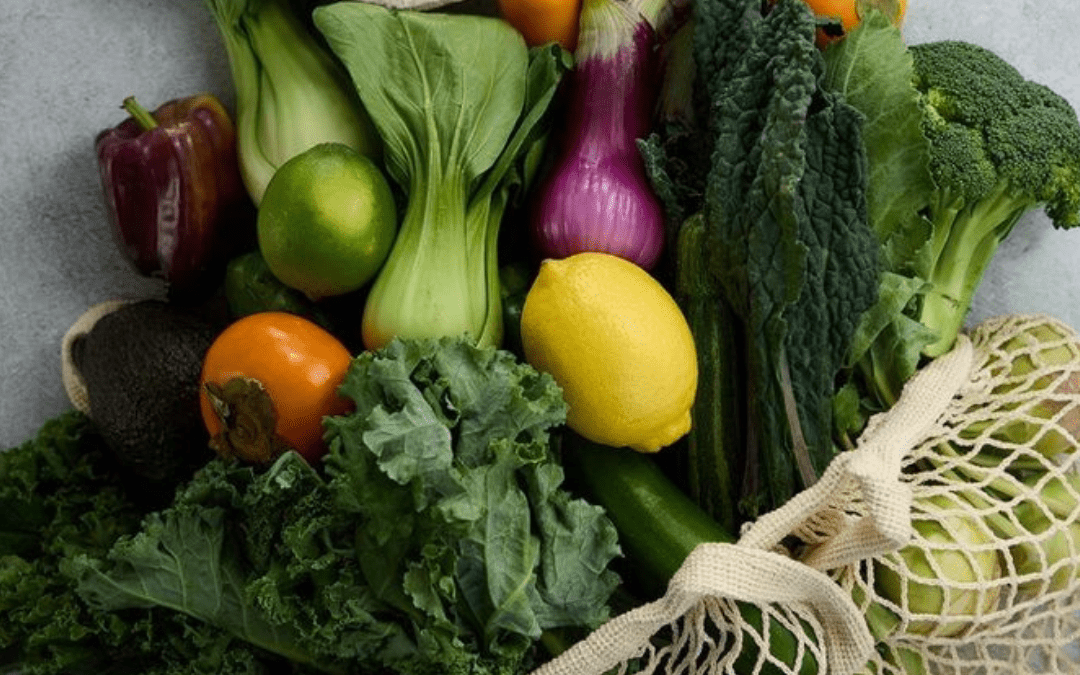
When it comes to sodium, most people think of table salt and processed foods. But sodium isn’t the enemy — it’s an essential mineral your body needs for hydration, nerve function, digestion, and electrolyte balance. The key is getting sodium from organic, whole-food sources that your body can absorb efficiently.
Here’s a guide to the best foods rich in organic sodium and why they’re so beneficial.
1. Seaweed and Kelp

Seaweeds like kelp, dulse, nori, and wakame are some of the richest natural sources of sodium. Unlike processed salt, sodium in seaweed comes with trace minerals like magnesium, calcium, and iodine, making it highly bioavailable.
Benefits:
- Supports thyroid function (iodine-rich)
- Helps balance electrolytes
- Gently hydrates cells
How to enjoy: Sprinkle dulse flakes on salads, add nori to soups, or make a miso soup with wakame.
2. Celery

Celery is naturally high in sodium, especially when grown in mineral-rich soil. It’s also hydrating due to its high water content and provides potassium, calcium, and magnesium.
Benefits:
- Supports fluid balance
- Aids digestion
- Provides antioxidants and fiber
How to enjoy: Eat raw celery sticks, juice them, or add to soups and stews for a gentle sodium boost.
3. Beets

Beets are another naturally sodium-rich vegetable. They contain nitrates that support healthy blood flow, along with minerals like potassium, magnesium, and iron.
Benefits:
- Supports cardiovascular health
- Provides natural energy
- Boosts detoxification pathways
How to enjoy: Roast, steam, or juice beets, or add shredded raw beets to salads.
4. Chard and Spinach
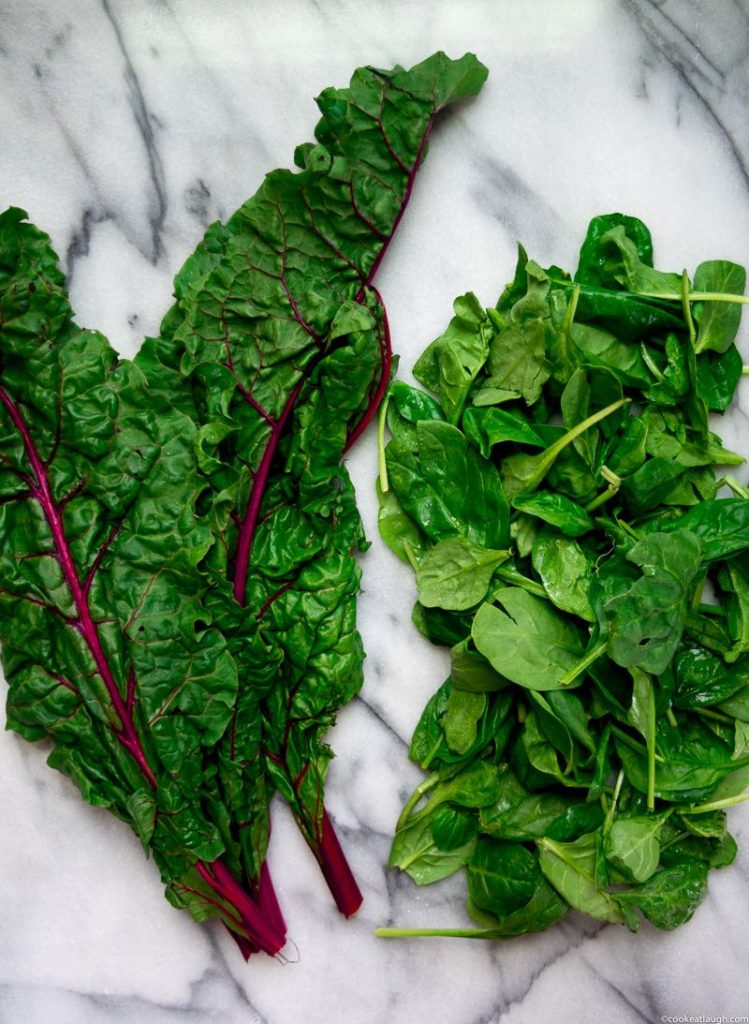
Leafy greens like Swiss chard and spinach are full of naturally occurring sodium and other minerals. These greens help maintain electrolyte balance and support nervous system function.
Benefits:
- Supports muscle and nerve function
- Hydrates and nourishes cells
- Provides vitamins A, C, and K
How to enjoy: Sauté chard with olive oil, add spinach to smoothies, or mix greens into soups.
5. Fermented Foods

Fermented foods like miso, sauerkraut, and kimchi contain natural sodium and probiotics, which support digestion and gut health. Sodium in these foods is balanced with other minerals and organic compounds that make it easier for your body to use.
Benefits:
- Enhances digestion
- Provides gut-supporting probiotics
- Supplies bioavailable sodium
How to enjoy: Add miso to soups, enjoy kimchi as a side, or top dishes with sauerkraut.
6. Bone / Veal Broth

Bone broth, made from simmering organic bones with vegetables, is rich in sodium, calcium, magnesium, and other trace minerals. It’s an excellent way to nourish the body gently and naturally.
Benefits:
- Supports joint health
- Boosts electrolyte balance
- Improves digestion and gut health
How to enjoy: Drink warm as a daily tonic, or use as a base for soups and stews.
We recommend Beef Bone Broth or Veal Joint Broth
Organic sodium isn’t the same as table salt — it comes from real, whole foods that deliver this mineral in its most natural, bioavailable form. Seaweed, celery, beets, leafy greens, fermented foods, and bone broth not only provide sodium, but also a full spectrum of companion minerals that work together to support true cellular health.
And when it comes to supplements, it’s important to understand that they don’t feed the cells the way whole foods and herbs do. Supplements can stimulate — and sometimes irritate — tissues, but they don’t become a usable, bioavailable part of the cell. The moment you stop taking them, the deficiency often returns. Why?
a) Isolated nutrients don’t reach the cell in the form you expect (like taking magnesium or vitamin C). The liver — our internal lab — breaks them down and repackages them based on what it decides the body actually needs.
b) Supplements aren’t food. They don’t work synergistically with the other nutrients found in whole plants, so they lack the natural cofactors that make minerals truly absorbable and functional at the cellular level.
By choosing organic, mineral-rich foods, you give your body sodium in a way that supports hydration, digestion, nerve function, and overall health — all while avoiding the risks of processed salt and additives.