
Blog
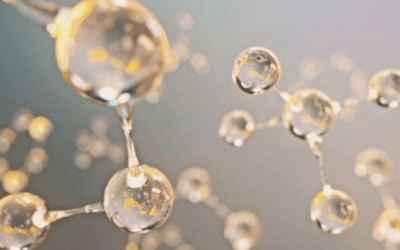
Chlorine vs. Chloride: What’s the Difference and Why It Matters for Your Health
Although the names sound nearly identical, chlorine and chloride are not the same thing. Understanding the difference can help clear up confusion and give you a deeper appreciation for how your body actually works.
Chloride: The Cleansing Mineral Your Body Relies On
When most people hear the word chlorine, they think of swimming pools or cleaning products. But inside the human body, chlorine appears in its safe and biologically active form as chloride, an essential mineral that quietly keeps many vital systems working.

Why Playing Outside Matters for Children’s Immune Systems
In an increasingly sanitized and indoor-focused world, many children spend far less time outside than previous generations. Yet growing research—and insights from Dr. Maya Shetreat-Klein’s book The Dirt Cure: Growing Healthy Kids with Food Straight from Soil—suggest that outdoor play is not just beneficial for fun and development; it is also essential for building strong immune systems.

Sourdough Butter Croissant Bread Recipe
This croissant loaf is the perfect blend of artisan sourdough and classic French pastry, combining the rich, buttery layers of a croissant with the simplicity of a homemade loaf. Instead of traditional lamination, grated frozen butter is folded into the dough, creating a beautifully flaky texture with far less effort. The result is a golden, crisp crust and a soft, airy interior that feels both indulgent and approachable—ideal for anyone wanting to elevate their bread baking without the complexity of traditional croissants. Recipe taken from https://catchymeals.com/

Signs of Carbon Deficiency: When the Body Lacks Its Fundamental Building Element
Because carbon is so abundant in food, true carbon deficiency is uncommon. However, a functional deficiency can occur when the body cannot properly digest, absorb, or metabolize carbon-containing nutrients, particularly carbohydrates. When this happens, the body’s ability to generate energy and maintain tissue structure becomes compromised.

Vibrational Energy, Nature, and the Nervous System: Reconnecting With the Rhythms of the Earth
In naturopathic philosophy and herbal medicine, healing is often viewed through a lens that goes beyond biochemistry alone. While nutrients, phytochemicals, anatomy and physiological mechanisms are essential, there is another dimension practitioners frequently discuss: vibrational energy—the subtle energetic patterns that exist throughout nature and the human body.

Not All Carbs Are the Problem: Let’s Talk About the Real Culprits
When people talk about “cutting carbs,” the conversation often becomes oversimplified. The truth is that not all carbohydrates are the same, and many foods that contain carbs are essential for good health. Instead of broadly blaming carbohydrates, it’s more helpful to identify the specific types that tend to be overconsumed and can contribute to health issues.

Signs of Carbon Excess: When the Body Is Overloaded With Metabolic Fuel
Because carbon is so central to life, it is naturally present in nearly everything we eat. However, when the body receives more carbon-based fuel than it can properly metabolize, an imbalance can develop. This state, sometimes described as carbon excess or the carboferic type, occurs when the intake and metabolism of carbon-containing foods — especially sugars and refined carbohydrates — exceed the body’s capacity to process them efficiently.
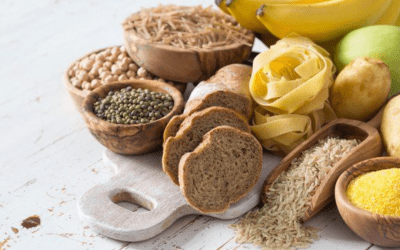
Carbon, Sugar, and Carbohydrates: Understanding the Body’s Primary Fuel
At the core of every carbohydrate molecule lies carbon, an element so essential that all living organisms on Earth are built upon it. Carbon’s ability to bond with other elements such as hydrogen and oxygen allows it to form the sugars and starches that power metabolism, nourish cells, and sustain biological processes.
Carbon: The Builder — The Essential Element of Life
When we think about minerals and nutrients that support health, we often consider potassium, magnesium, iron, and calcium. But one foundational element quietly underpins all life on Earth — and that element is carbon. Known here as “The Builder,” carbon isn’t simply another nutrient; it is the fundamental framework of biology itself.