
Potassium, often called “the great alkalizer,” is a vital mineral that helps neutralize acids, support digestion, regulate fluid balance, and keep your muscles, heart, and joints functioning optimally. One of the best ways to harness its benefits is through whole, mineral-rich foods. Incorporating these foods consistently can restore mineral balance, improve energy, and promote overall vitality.
Nature never creates foods with just one mineral. Every whole food contains a balanced spectrum of minerals that work synergistically. This is one reason supplements can be problematic—they isolate minerals in a way nature never intended, which can create imbalances, stress certain tissues, or trigger deficiencies in other minerals.
1. Leafy Greens
Leafy greens like spinach, kale, chard, and especially watercress—one of the highest natural food sources of potassium—are powerful potassium providers. They’re also packed with minerals, vitamins, and antioxidants that support bone health, detoxification, and cellular function. Add greens to salads, smoothies, soups, or sautés to easily increase your daily mineral intake.
2. Root Vegetables
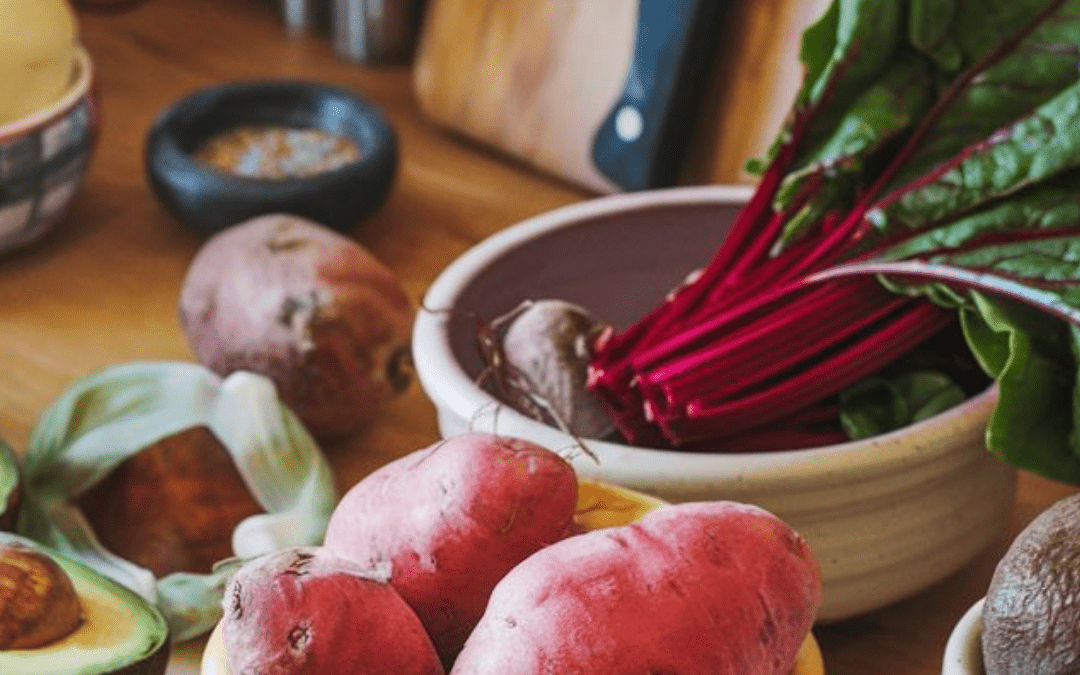
Root vegetables such as sweet potatoes, beets, and carrots are naturally rich in potassium and provide sustained energy thanks to their complex carbohydrates. These colorful veggies support liver and kidney function while promoting digestive health. Whether roasted, lightly steamed until just tender-crisp, or blended into soups, they bring a grounding, mineral-rich depth to any meal.
3. Fruits
Potassium-rich fruits include bananas, avocados, and oranges. Bananas are the most popular and widely recognized source of potassium, while olives—especially sun-dried black olives—are actually among the highest natural sources. Avocados provide nourishing fats for brain and heart health, and oranges supply vitamin C alongside their potassium profile. Freshly made juices can also support mineral intake when used intentionally.
4. Beans and Legumes
Lentils, kidney beans, and other legumes are excellent plant-based sources of potassium. They also contain fiber and protein that help regulate digestion, support gut health, and stabilize blood sugar. Always avoid canned foods; instead, purchase dry legumes, soak them properly, cook them, and add them to soups, salads, or stews. This preserves their mineral integrity and avoids additives that interfere with digestion. Avoid canned “food”. Better to purchase dry, soak, cook and add to recipes.
(And as always, tofu must be non-GMO when included in the diet.)
5. Mineral-Rich Broths and Herbal Teas
Broths made from mineral-rich plants, potato skins, herbs, or bones provide a nourishing source of potassium and other balancing minerals. Potato peel broth—2 cups per day over the course of a month—is a traditional and effective way to restore potassium levels and support adrenal and digestive health. Herbal teas can also gently replenish minerals while soothing the nervous system. When you support cellular health, you support tissues, organs and body systems. These is what leads to specific health and reversal of degeneration of tissues. Cellular health is the VERY FOUNDATION of ALL HEALTH!
Incorporating Potassium-Rich Foods Into Your Routine
To maximize the benefits of potassium, aim to include a wide variety of these foods throughout your day. A simple approach:
- Start your day with a green smoothie with banana or spinach.
- Enjoy a vibrant salad, or roasted root vegetables cooked until just tender—or lightly steamed al dente—for lunch or dinner.
- Snack on fruit, olives, nuts (brazil nuts, walnuts, almonds) or sip on freshly made juices, mineral-rich broths, or herbal teas.
- Add beans or legumes to soups, stews, or salads for extra potassium and plant-based protein.
- Consider a daily or weekly batch of Dr. Jensen’s potato peel broth to support overall mineral balance.
By making potassium-rich, whole foods a consistent part of your diet, you help your body maintain mineral harmony, improve digestion, strengthen energy levels, and support long-term health and vitality.